The bridal makeup and hair trial: how it works and where to do it
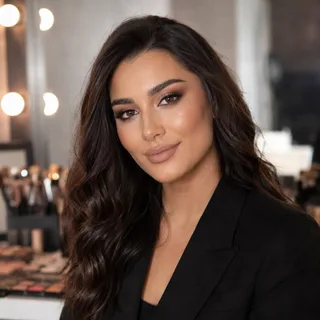
The trial is the dress rehearsal of the bridal look: makeup and hair are done exactly as on the wedding day, a few weeks ahead. That is where you learn whether the makeup tone suits the skin, how long the hairstyle holds and how it all photographs.
When to schedule the trial
The ideal window is 3 to 6 weeks before the wedding. Earlier makes little sense, because the skin, the hair colour and the complexion keep changing until the big day, especially in summer when the sun darkens the skin. Later becomes risky, because if the result does not convince you, no time remains for another direction or, in the bad case, another salon.
For diaspora brides the window narrows around the return date: in that case the trial goes into the first days after arrival, never the day before the wedding. Choose the hour wisely too: an afternoon trial lets you keep the makeup and hairstyle on into the evening and watch how they behave over the hours.
How a trial unfolds step by step
A full trial with makeup and hair usually takes 2 to 3 hours, so plan it as a serious appointment, not a passing visit. The typical flow looks like this:
- The consultation: a talk over the inspiration photos, the dress, the venue and the light, so the stylist understands the full picture before picking up a brush.
- Matching the base: testing the foundation shade on the jaw and neck, not on the hand, so face and neckline do not differ in photos.
- The full makeup: applied as on the wedding day, with lashes and setting, not a shortened version.
- The hairstyle: building the full model, with teasing, pins and, if you have them, the real veil and accessories.
- Photos and notes: pictures from all sides, in different light, and the stylist's notes on products and shades, so the wedding day becomes an exact repeat.
How to make the trial count
- Bring inspiration photos and a photo of the dress, so the stylist builds the look around it.
- Take photos in natural light and with flash before leaving, because makeup reads differently on camera.
- Keep the hairstyle in for a few hours: if it drops after the trial, it will drop at the wedding too.
- Say plainly what you do not like. The trial exists precisely for changes.
How to judge the result
The first impression in the salon mirror is not enough. Bridal makeup and hair are judged with time and movement, because that is how they will be lived at the wedding too. These are the tests that tell the truth:
- The hours test: keep the look on into the evening and watch where the skin turns shiny, where the foundation gathers and whether any curl slips.
- The movement test: shake your head, dance a little, bend over. A wedding hairstyle must endure all of it without loosening.
- The comfort test: if the pins press after one hour, after ten hours they become unbearable. Ask for an adjustment right at the trial.
- The transfer test: hug someone wearing a dark top and see whether the foundation leaves marks; at the wedding you will hug dozens of people.
- The photo test: view the trial photos on a large screen, not only on the phone, and compare the colour of the face with that of the neck.
The most common trial mistakes
- Being polite instead of honest: the stylist cannot read minds, and an unconvinced "it is fine" sends you to your wedding with a look you do not want.
- Arriving in different conditions from the wedding day: freshly sunburnt skin or hair washed that morning when the stylist asked otherwise makes the trial worthless.
- Bringing half the salon along: two opinions help, six confuse. Take one person who knows your taste and tells you the truth.
- Leaving without photos and notes: without them, the wedding day is not a repeat but a new improvisation.
- Changing everything after the trial: one correction is normal, a completely new style a week before the wedding needs a second trial.
The hair trial in particular
Hair has different needs from makeup. Bring the real veil and accessories, because their weight affects how the model holds: a heavy veil on a loose updo drags it down over the hours. If you plan hair extensions, they need testing precisely in this session, with the colour matched beforehand. And if the wedding is in summer, ask what happens to the model in heat and humidity, and how it gets refreshed quickly at the venue.
Ask the stylist for a short instruction for the big day as well: how to sleep without ruining the base of the styling, when to wash the hair for the last time and which products not to use that morning. Those three answers make the wedding morning much calmer.
A second trial: when it makes sense
A second trial is not a sign of trouble, it is a working tool. It makes sense when you change direction completely after the first, for example from soft glam to natural makeup, when the hair colour changes after the trial, or when the first trial happened too early and the skin has changed with the summer sun. How trials are billed is not on even the market's only public price list, so ask the salon in writing from the start; compared with the certainty it buys for the big day, the cost of a second trial remains a small investment.
The skin before the trial
The trial gives accurate answers only if your skin is in the state it will also have on the wedding day. If your plan includes facials, their timing relative to the trial matters: a deep cleanse or hydrafacial a few days before the trial changes how the skin takes the base, and that is exactly what will happen before the wedding too. A treatment done on the same day as the trial falsifies the result though, because freshly treated skin behaves differently.
A simple rule: repeat before the wedding the same rhythm you had before the trial. If the trial went well with a deep cleanse five days ahead, do the cleanse five days ahead of the wedding too. That way the trial tests not only the makeup but the whole preparation chain.
What to note down before you leave
The final minutes of the trial are worth as much as the whole session, if you use them to pin down what was decided. Before getting up from the chair, make sure both sides hold the same answers to these points:
- The final style, fixed with the trial photos from the front, the side and the back.
- The changes agreed for the wedding day, written into the WhatsApp or Viber conversation, not only said out loud.
- The starting hour on the wedding morning and how much time is reserved for you and your companions.
- Your homework instructions: when to wash your hair for the last time, what not to use that morning, what to bring along.
How to talk to the stylist: the trial vocabulary
Many trials fail not through the stylist's hand but through unclear communication. "I do not like it" gives her nothing to work with; "the eye area feels too dark to me" gives her a precise task. Learn to speak in zones and intensities: less shine on the forehead, a softer contour on the cheeks, lighter brows, lips one tone warmer. The more concrete the request, the faster the correction.
The same applies to hair: "looser" can mean ten things, while "I want more volume at the crown and less pull at the temples" means only one. And do not forget the most useful question of the whole trial: "what would you change yourself?". Experienced stylists see details that escape you, and this question opens the door for them to say so.
Where to do it: the top three
| # | Salon | Score |
|---|---|---|
| 1 | B&B Elegance A mother-and-daughter family salon: Besirja on hair with over 20 years of experience and Biondina on facial treatments. Hair, makeup and skin in one visit, with a public price list. | 70 |
| 2 | estethica An aesthetic clinic, the Kosovo branch of the Turkish estethica brand, operating since 2012. Skin-focused: hydrafacial, laser and medical-aesthetic procedures rather than a hair salon. | 69 |
| 3 | FRK Beauty Kosova A big name on social media with around 84 thousand Instagram followers. Offers lashes, microblading, bridal makeup, hair removal and courses. Does not take appointments through the usual channel. | 56 |
B&B Elegance offers bridal hair and makeup together with public prices (100 € each on the wedding day), so the full look has a predictable cost; ask in writing how the trial itself is billed. estethica comes in for the skin before the trial, while FRK Beauty is known precisely for bridal makeup.
Prices and appointments change, especially in wedding season. Confirm directly with the salon before booking.
Frequently asked questions
Is the trial mandatory?
Nobody forces you, but every reason speaks for it: the wedding day has no room for experiments, and the cost of a trial is small against the risk. The only situation where skipping it is reasonable is a very tight time window, and even then a long consultation with photos is the minimum.
What does the trial cost?
The only public reference is B&B Elegance's list: bridal makeup 100 € and bridal hairstyle 100 € for the wedding day, while the price of the trial itself is not listed there. No other salon publishes prices, so ask in writing whether the trial is billed separately, included in a package or deducted from the wedding-day price.
Should I do the trial before or after colouring my hair?
After. The hair colour changes how the whole look reads, from the makeup tone to the contrast with the veil, so the right order is: first the colour project, which itself wants a few weeks of distance from the wedding, then the trial on the final result.
What do I bring to the trial?
The inspiration photos, a photo of the dress, the real veil and accessories if you have them, a top in a colour similar to the dress, and a phone with a charged battery for photos in every light. If there are products your skin reacts to, bring their names along too.